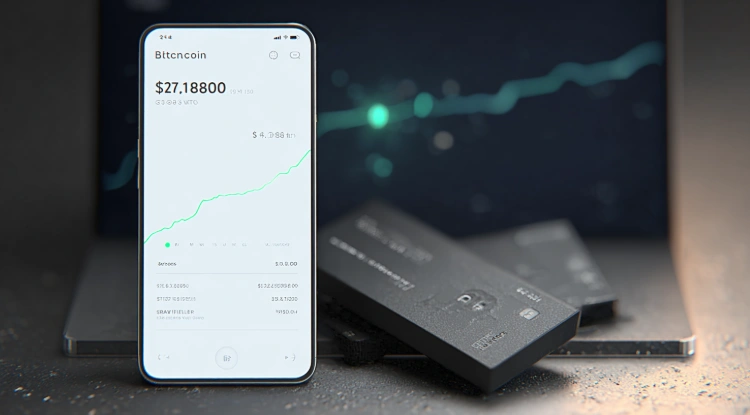
Crypto Ledger App for Managing Digital Assets
Crypto Ledger App serves as the primary interface for managing digital assets through Ledger hardware wallets, combining portfolio visualization with transaction execution capabilities. The application connects to hardware devices via USB-C or Bluetooth, enabling users to interact with blockchain networks while maintaining cold storage security for private keys. Over 5,500 cryptocurrencies and tokens receive support through the platform, making it one of the most comprehensive wallet management solutions available.
The Crypto Ledger wallet app operates across desktop and mobile platforms, providing consistent functionality regardless of device type. Users can monitor portfolio values, send and receive cryptocurrencies, participate in staking programs, execute swaps between assets, and connect to decentralized applications. All transaction signing occurs on the connected hardware wallet, ensuring that private keys never exist on internet-connected devices.
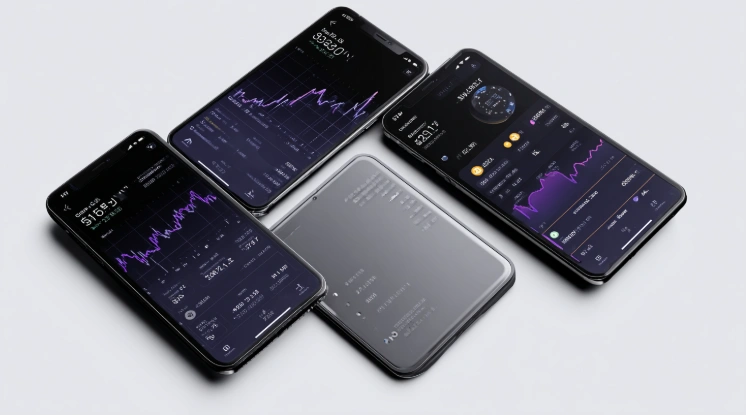
Crypto Ledger app provides a unified dashboard
Core Features of the Crypto Ledger Wallet App
Crypto Ledger app provides a unified dashboard for viewing and managing cryptocurrency holdings across multiple blockchain networks. The interface displays real-time valuations in over 30 fiat currencies, historical performance charts, and detailed transaction histories for each account. Portfolio management features enable users to organize assets across custom-named accounts, track profit and loss metrics, and monitor allocation percentages across different blockchains.
The application architecture separates network communication from cryptographic operations. The Crypto Ledger app handles all interactions with blockchain nodes, price feeds, and Ledger infrastructure services. When transactions require authorization, the app constructs unsigned transaction data and transmits it to the connected hardware wallet. The secure element inside the hardware device performs the actual signing operation and returns only the cryptographic signature. This design ensures that compromised computers or phones cannot authorize transactions or extract private keys.
Crypto Ledger wallet app delivers functionality beyond basic send and receive operations. The following capabilities distinguish it from simpler wallet solutions:
- Portfolio dashboard with real-time valuations, 24-hour change indicators, and historical performance graphs spanning custom date ranges
- Account management supporting multiple addresses per blockchain, custom naming, and organizational grouping for complex portfolios
- Built-in swap functionality through integration with Changelly, 1inch, and Paraswap aggregators for exchanging assets without external platforms
- Staking support for proof-of-stake networks including Ethereum, Tezos, Polkadot, Cosmos, Solana, and Cardano with projected yield calculations
- NFT gallery for viewing and managing non-fungible tokens on Ethereum, Polygon, and other supported networks
- Manager interface for installing and removing blockchain apps on the hardware wallet with visual storage capacity indicators
- Transaction history export in CSV format for tax reporting and integration with portfolio tracking services
How Crypto Ledger App Works with Hardware Wallets

Crypto Ledger app functions as a companion interface that extends hardware wallet capabilities without compromising security principles. The hardware wallet contains the secure element chip that generates, stores, and uses private keys. The app provides the user interface layer, network connectivity, and portfolio visualization that the hardware device cannot perform independently.
Communication between the app and hardware wallet occurs through USB-C connections on desktop platforms and Bluetooth Low Energy on mobile platforms (for compatible models). The connection transmits only unsigned transaction data, account discovery requests, and synchronization information. Private keys and recovery phrases never traverse this connection.
Security Architecture and Transaction Flow
Crypto Ledger app security relies on complete isolation between the user interface and cryptographic operations. The transaction signing process follows a specific sequence:
- User initiates a transaction in the Crypto Ledger app by entering recipient address, amount, and selecting network fees.
- The app validates input data and constructs an unsigned transaction according to blockchain protocol specifications.
- The unsigned transaction is transmitted to the connected hardware wallet through USB or Bluetooth.
- The hardware wallet displays transaction details on its screen for user verification independent of the potentially compromised host device.
- User confirms the transaction by pressing physical buttons or using the touchscreen on the hardware wallet.
- The secure element signs the transaction internally without exposing the private key.
- Only the cryptographic signature is returned to the Crypto Ledger app.
- The app combines the signature with the transaction data and broadcasts the complete signed transaction to the blockchain network.
This architecture means that even sophisticated malware controlling the computer or phone cannot extract private keys or authorize transactions without physical interaction with the hardware wallet.
Supported Assets and Blockchain Networks
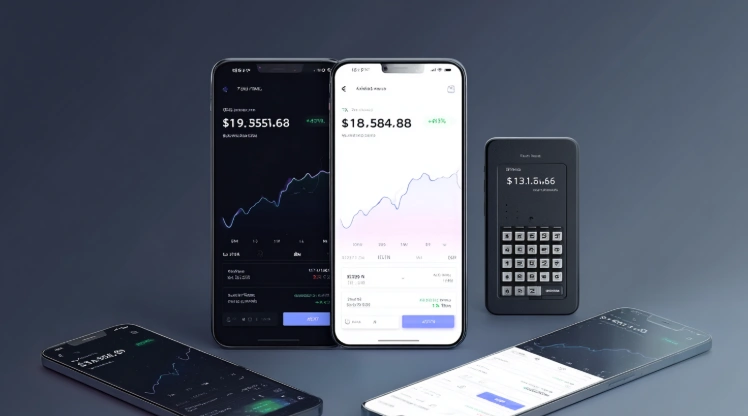
Crypto Ledger app maintains compatibility with over 5,500 cryptocurrencies and tokens through native blockchain integrations and token standard support. The following table summarizes major network support:
| Network | Native Asset | Token Standards | Staking Support | NFT Support |
|---|
| Bitcoin | BTC | None | No | Ordinals (limited) |
| Ethereum | ETH | ERC-20, ERC-721, ERC-1155 | Yes | Yes |
| Solana | SOL | SPL tokens | Yes | Yes |
| Cardano | ADA | Native assets | Yes | Yes |
| Polkadot | DOT | None | Yes | No |
| Polygon | MATIC | ERC-20, ERC-721 | Yes | Yes |
| Avalanche | AVAX | ARC-20 | Yes | Yes |
| Cosmos | ATOM | IBC tokens | Yes | No |
| Tezos | XTZ | FA1.2, FA2 | Yes | Yes |
| BNB Chain | BNB | BEP-20 | No | Yes |
New blockchain networks and token standards receive support through regular app updates. Users should keep both the Crypto Ledger app and hardware wallet firmware current to access the latest asset compatibility.
Platform Availability and System Requirements
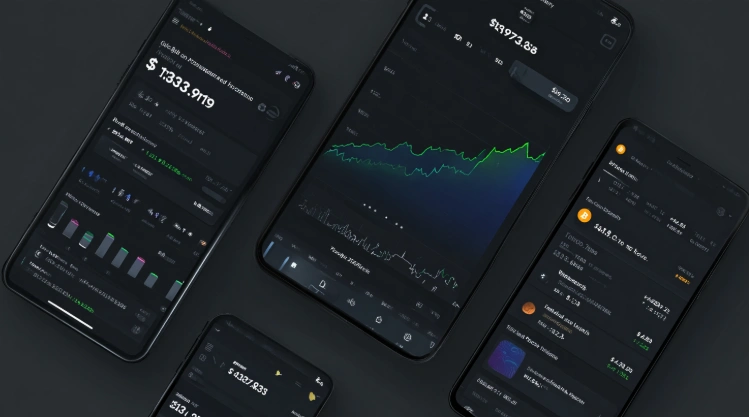
Crypto Ledger app is available across desktop and mobile platforms with consistent core functionality. Platform-specific features and limitations apply based on operating system capabilities and hardware wallet connection methods.
Desktop platforms (Windows, macOS, Linux) provide the complete feature set including firmware updates, full manager functionality, and CSV export. Mobile platforms (iOS, Android) offer portfolio management, transactions, and staking with some advanced features limited to desktop.
System requirements by platform:
- Windows: Windows 10 or 11 (64-bit), 4 GB RAM, 500 MB storage, USB port
- macOS: macOS 12 Monterey or later, Intel or Apple Silicon, 4 GB RAM, 500 MB storage
- Linux: Ubuntu 20.04 or compatible, 64-bit, 4 GB RAM, 500 MB storage, udev rules required
- iOS: iOS 14 or later, Bluetooth required for hardware connection
- Android: Android 10 or later, Bluetooth or USB-C OTG for hardware connection
For download instructions, see our Crypto Ledger App Download guide. For hardware compatibility details, visit the Crypto Ledger App with Hardware Wallet page.
Frequently Asked Questions
What is Crypto Ledger app used for?
Crypto Ledger app manages cryptocurrency portfolios through Ledger hardware wallets. It provides portfolio viewing, transaction execution, staking, swaps, and NFT management while the hardware wallet secures private keys offline.
Is Crypto Ledger app the same as Ledger Live?
Yes. Crypto Ledger app and Ledger Live are the same application. Ledger Live is the official product name used by the manufacturer for the hardware wallet companion software.
Can Crypto Ledger app work without a hardware wallet?
The app requires a Ledger hardware wallet for all transaction features. Without a connected device, users can browse the interface and view supported assets but cannot manage crypto or execute transactions.
How many cryptocurrencies does Crypto Ledger app support?
The app supports over 5,500 cryptocurrencies and tokens across dozens of blockchain networks. Support expands through regular software updates adding new assets and networks.
Does Crypto Ledger app cost money?
The application is free to download and use. There are no subscription fees or premium tiers. Transaction fees when sending crypto are paid to blockchain networks, not to Ledger.
Can I use Crypto Ledger app on multiple devices?
Yes. The app can be installed on unlimited devices simultaneously. Each installation connects to the same hardware wallet and displays identical account information. The hardware wallet remains the source of truth for all accounts.
Does Crypto Ledger app store my private keys?
No. The app never stores, transmits, or has access to private keys. All cryptographic material exists only inside the hardware wallet secure element. The app constructs transactions that the hardware wallet signs internally.