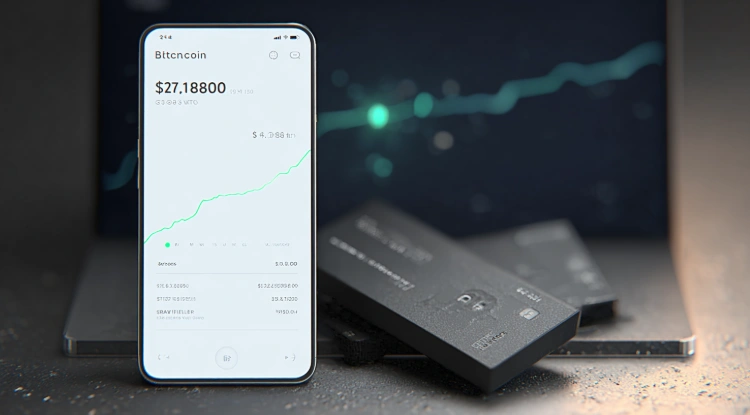
Is Crypto Ledger App Safe is a fundamental question for anyone trusting the software with cryptocurrency management responsibilities. The application is designed with security as the primary architectural consideration, delegating all cryptographic operations to connected hardware wallets while providing a user-friendly interface layer. This separation ensures that even complete compromise of the host computer or phone cannot result in private key theft or unauthorized transactions.
Crypto Ledger App Security derives from its role as a transaction constructor and portfolio visualizer rather than a key custodian. The app never stores, transmits, or has access to private keys or recovery phrases. These critical secrets exist only inside the hardware wallet secure element, isolated from the internet-connected environments where software vulnerabilities typically manifest. This page provides detailed analysis of the security model, threat protections, and verification methods.
Security Model of Crypto Ledger App
Is Crypto Ledger app safe depends on understanding what the application does and does not control. The security model assigns different responsibilities to different components, ensuring that no single point of compromise can result in asset loss.
The Crypto Ledger app handles user interface presentation, network communication with blockchain nodes, price data retrieval, transaction construction, and hardware wallet communication protocols. These functions require internet connectivity and run on general-purpose computing devices that may contain vulnerabilities.
The Ledger hardware wallet handles private key generation, private key storage, transaction signing, address derivation, and recovery phrase protection. These functions occur inside a certified secure element chip that resists physical tampering and electronic probing attacks.
Crypto Ledger App Security Architecture
Crypto Ledger app security relies on the principle that the most sensitive operations occur outside the software entirely. The architectural separation provides defense in depth:
- Private keys generate inside the secure element using a certified true random number generator. The app cannot influence or observe this process.
- Private keys store in tamper-resistant memory inside the secure element. The app cannot read this memory.
- Transaction signing occurs within the secure element. The app submits unsigned data and receives only the mathematical signature.
- Recovery phrases display only on the hardware wallet screen during initial setup. The app never sees these words.
- PIN entry occurs on the hardware wallet. The app cannot capture or transmit PIN codes.
This architecture means that malware on the host device cannot steal assets even with full system access. Attackers would need physical possession of the hardware wallet plus knowledge of the PIN to authorize transactions.
How Crypto Ledger App Protects User Assets
Crypto Ledger app security extends beyond the core architecture to include multiple protective mechanisms:
- Open-source code allows independent security researchers to audit the application for vulnerabilities and backdoors
- Cryptographic signing of releases enables verification that downloaded files originate from Ledger
- Regular security audits by third-party firms identify and remediate potential vulnerabilities
- Automatic update notifications ensure users can apply security patches promptly
- Genuine check verification confirms hardware wallet authenticity before trusting it with assets
- Transaction verification on hardware screen prevents address substitution attacks from malware
| Security Aspect | Crypto Ledger App + Hardware | Software-Only Wallet | Exchange Custody |
|---|
| Private key storage | Secure element (offline) | Host device (online) | Exchange servers |
| Transaction signing | Hardware wallet | Host device | Exchange |
| Recovery phrase visibility | Hardware screen only | Software screen | Not applicable |
| Malware resistance | High (hardware isolation) | Low (same device) | Medium (2FA dependent) |
| Phishing resistance | High (hardware verification) | Low (software only) | Medium (depends on exchange) |
| User custody | Full self-custody | Full self-custody | Third-party custody |
What the App Cannot Access
Crypto Ledger app security guarantees are based on what the software cannot do:
- Cannot read private keys from the hardware wallet
- Cannot extract the recovery phrase from the hardware wallet
- Cannot sign transactions without user confirmation on hardware
- Cannot modify transaction details after hardware verification
- Cannot bypass PIN protection on the hardware wallet
- Cannot install firmware or apps without hardware confirmation
- Cannot access assets if the hardware wallet is lost without recovery phrase
These limitations are enforced by the hardware wallet architecture, not by software policies that could potentially be bypassed.
Verifying Crypto Ledger App Authenticity
Is Crypto Ledger app safe only when obtained from legitimate sources. Fraudulent versions distributed through phishing sites can steal recovery phrases or redirect transactions. Verification steps confirm authenticity:
- Download exclusively from ledger.com or official app stores (Apple App Store, Google Play Store).
- Verify the URL shows exactly "ledger.com" with a valid HTTPS certificate before downloading.
- Check the publisher certificate during installation shows "Ledger SAS" as the verified signer.
- For maximum assurance, compare the SHA-256 hash of downloaded files against hashes published on the Ledger GitHub repository.
- After installation, perform the genuine check on the hardware wallet to confirm the complete system integrity.
Warning signs of fraudulent applications:
- Downloads from domains other than ledger.com
- Apps requesting recovery phrase entry in the software
- Mobile apps with publishers other than Ledger SAS
- Missing code signatures or unsigned installers
- Requests to disable security features during installation
Common Security Threats and Protections
Crypto Ledger app security addresses multiple threat categories through different protective mechanisms:
- Phishing attacks attempt to direct users to fake websites or apps that steal credentials. Protection: Always type ledger.com directly, verify certificates, never follow email links.
- Malware on host device could manipulate displayed addresses or intercept clipboard data. Protection: Verify all transaction details on the hardware wallet screen before confirming.
- Supply chain attacks could distribute modified hardware or software. Protection: Buy hardware directly from Ledger, verify software signatures, perform genuine check.
- Physical theft of hardware wallet could enable unauthorized access. Protection: PIN code locks the device, three failed attempts wipe all data.
- Social engineering attempts to convince users to reveal recovery phrases. Protection: Never enter recovery phrase anywhere except on hardware wallet during restoration.
- Network interception could capture transmitted data. Protection: TLS encryption for all communications, no sensitive data transmitted over network.
For app download guidance, see our Crypto Ledger App Download guide. For hardware connection details, visit the Crypto Ledger App with Hardware Wallet page.
Frequently Asked Questions
Has Crypto Ledger app ever been hacked?
The Crypto Ledger application and Ledger hardware wallets have not been compromised. A 2020 data breach affected Ledger e-commerce customer data (email addresses, mailing addresses) but did not expose any funds, private keys, or recovery phrases.
Can malware on my computer steal crypto through the Crypto Ledger app?
Malware cannot extract private keys because they exist only inside the hardware wallet secure element. Malware could theoretically display false addresses in the app, which is why verifying transaction details on the hardware wallet screen is essential before confirming.
Is my recovery phrase safe when using the Crypto Ledger app?
The app never sees, stores, or transmits recovery phrases. The 24 words display only on the hardware wallet screen during initial setup or restoration. Any software requesting recovery phrase entry is fraudulent.
What happens to my crypto if the Crypto Ledger app is discontinued?
Assets exist on blockchains, not in any application. The recovery phrase can restore access through any compatible wallet software. Ledger hardware uses industry-standard BIP-39 derivation that works with many wallet applications.
Should I use antivirus software with the Crypto Ledger app?
Antivirus provides general protection for the host device but is not a substitute for hardware wallet security. Some antivirus products may flag the app due to its hardware communication functions. This is typically a false positive.
Can someone drain my wallet if they steal my phone with the app installed?
No. The app cannot sign transactions without the connected hardware wallet and user confirmation on the hardware screen. A stolen phone with the app provides no access to assets without also having the hardware wallet and PIN.
Is it safe to use Crypto Ledger app on public Wi-Fi?
The app encrypts all communications using TLS. However, public networks present general security risks. For maximum security, use private networks. The hardware wallet verification step protects against most network-based attacks targeting transactions.